


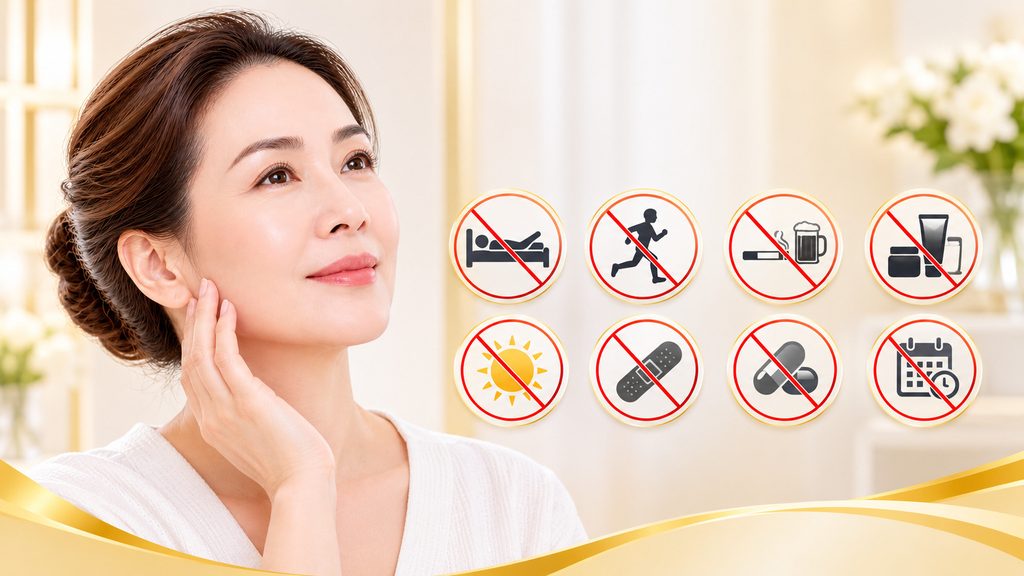
After facelift surgery, in addition to the surgical technique, postoperative care also plays an important role in maintaining aesthetic results. This is a period when the facial area needs time to stabilize, the tissues gradually adapt, and the incisions progressively heal. Therefore, patients need to understand important postoperative precautions, follow their doctor’s instructions, and avoid unwanted effects that may interfere with the recovery process. Below are the things to avoid after facelift surgery.
1. Avoid Sleeping on Your Stomach or Side, Which Can Put Pressure on Your Face

During the first few days after surgery, the facial area is often swollen and sensitive. Sleeping on your stomach or side can put pressure on the surgical area, cause discomfort, and affect the recovery process.
Patients should prioritize sleeping on their backs with their heads elevated using pillows, as instructed by their doctor. When sleeping, avoid positions that cause the face to press directly against the pillow or remain under pressure for extended periods.
2. Avoid Strenuous Activities or Exercising Too Soon
High-intensity physical activities can increase heart rate and blood pressure, thereby increasing the risk of bleeding or swelling after surgery.
During the initial recovery period, patients should avoid:
- Going to the gym, running, cycling, and other high-intensity exercises.
- Lifting heavy objects or performing physically demanding movements.
- Bending the head downward for extended periods.
- Sports activities that carry a risk of impact or injury to the face.
Gentle walking may be resumed when the patient’s health is stable and the doctor has given approval. For other physical activities, patients should wait until the surgical area has recovered sufficiently and consult their doctor before returning to exercise.
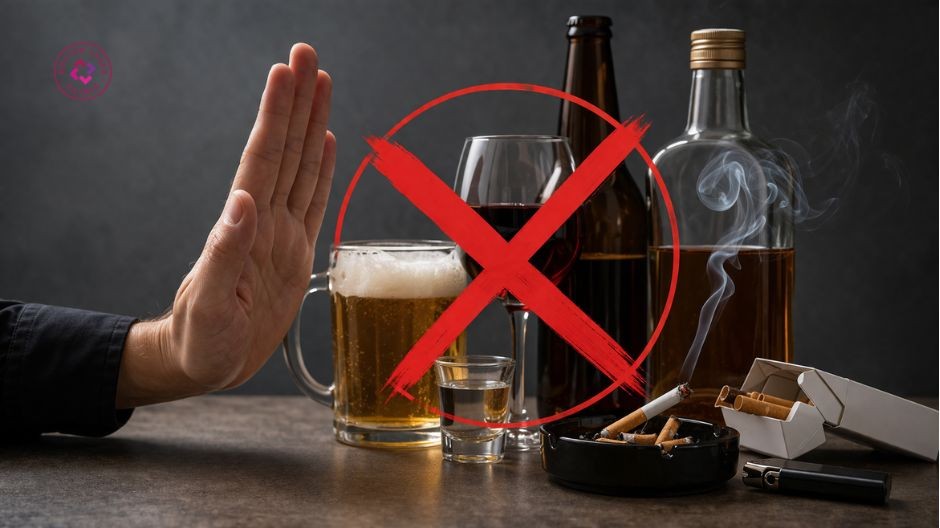
BOOK YOUR CONSULTATION3. Avoid Smoking and Drinking Alcohol
Smoking is a habit that should be avoided after facelift surgery because it can slow down wound healing. Nicotine in tobacco causes blood vessels to constrict, reducing blood circulation to the surgical area. As a result, incisions may take longer to heal, the risk of infection may increase, and the recovery process may be affected.
In addition, alcohol is not recommended during the postoperative period. Alcoholic beverages can affect sleep, cause dehydration, and interfere with the effects of certain medications. These factors can negatively affect overall health and recovery after surgery.
Therefore, patients should stop smoking and avoid e-cigarettes and other nicotine-containing products. Alcohol should also be avoided during the postoperative recovery period, following the doctor’s instructions, to allow the wounds to heal properly.
4. Do Not Use Cosmetics or Undergo Skincare Treatments Without Your Doctor’s Approval
After facelift surgery, the skin and incisions need time to stabilize. Using cosmetics too soon or undergoing treatments that directly affect the skin may cause irritation and affect the incisions.
Patients should avoid:
- Using exfoliating products or cosmetics containing strong active ingredients without the doctor’s approval.
- Massaging, rubbing, or performing movements that stretch the facial skin.
- Using steam rooms, saunas, or exposing the face to high temperatures during the initial recovery period.
- Undergoing laser treatments, chemical peels, intensive skincare treatments, or other aesthetic procedures without the doctor’s approval.
The use of facial cleansers, moisturizers, sunscreen, and other skincare products should be adjusted according to each stage of recovery.
5. Avoid Direct Exposure to Sunlight
Sunlight can increase pigmentation in healing skin, making scars appear darker. Therefore, patients should limit direct sun exposure, especially around areas with surgical incisions.
When going outdoors, patients should wear wide-brimmed hats, use umbrellas, or take other appropriate sun-protection measures. Sunscreen should only be applied when the skin is ready and the doctor has given approval. Avoid applying sunscreen directly to incisions that have not yet healed.
6. Do Not Remove Bandages, Cut Stitches, or Tamper With Surgical Incisions
Supportive bandages and sutures help protect the surgical area during the initial recovery period. Removing bandages, cutting stitches, or stretching the skin around the incisions without the doctor’s approval may affect the wounds, delay recovery, and increase the risk of unwanted scarring.
Patients should keep the following precautions in mind:
- Do not remove bandages or change the dressing method without instructions.
- Do not pick at scabs, scratch, or pull at areas of healing skin.
- Do not apply medications, scar creams, or other products to the incisions without the doctor’s approval.
- Do not remove stitches yourself or miss scheduled stitch-removal appointments.
Wound cleaning, dressing changes, and stitch removal should be performed at the appropriate time according to the doctor’s instructions.
BOOK YOUR CONSULTATION7. Do Not Stop Taking Medication or Use Additional Medication Without Your Doctor’s Instructions
After surgery, the doctor may prescribe pain relievers, antibiotics, or other supportive medications depending on each patient’s condition. Using medication incorrectly may affect overall health and interrupt the recovery process.
Patients should not:
- Stop taking medication before completing the prescribed course.
- Increase or decrease medication dosages without medical advice.
- Take additional pain relievers, anti-inflammatory medications, or medications that may affect blood clotting without consulting their doctor.
- Take additional vitamins, herbal products, or dietary supplements without discussing them with their doctor.
8. Do Not Skip Postoperative Follow-Up Appointments
Follow-up appointments are important for the doctor to examine the incisions, assess swelling, and monitor recovery progress. Even when patients feel that their health is stable, they should still attend all scheduled follow-up appointments as instructed.
If patients experience rapidly increasing swelling, severe pain, prolonged bleeding, fever, signs of infection around the incisions, or unusual skin discoloration, they should contact their doctor immediately for an examination. Do not wait until the next scheduled follow-up appointment if any of these symptoms occur.
Read more: What to Eat and Avoid After Facelift Surgery to Support Recovery?
9. Postoperative Care After Facelift Surgery with Dr. David Cong
At Dr. David Cong, postoperative care is provided based on each patient’s condition and recovery progress. The doctor directly examines patients, checks the incisions, monitors swelling and bruising, and provides appropriate care instructions for each stage after surgery.
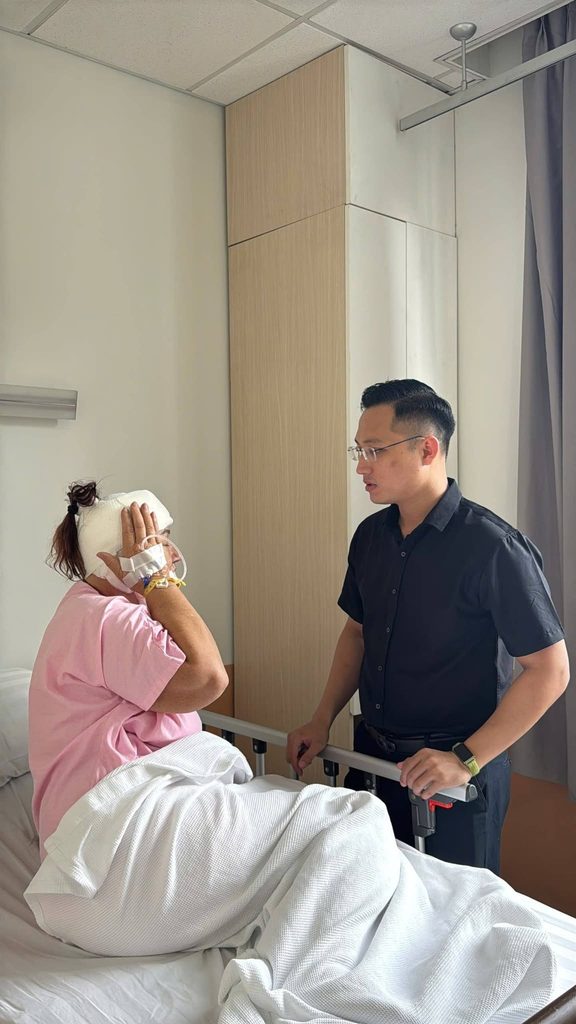
Patients receive guidance on wearing supportive garments when prescribed, cleaning surgical incisions, and attending follow-up appointments as scheduled. Throughout this process, the medical team and healthcare staff accompany patients, answer their questions, and provide timely guidance if any unusual symptoms occur.
Dr. David Cong places great importance on attentive postoperative care and close monitoring, particularly during the first few days after surgery, helping patients feel more reassured and take a more active role in their recovery.
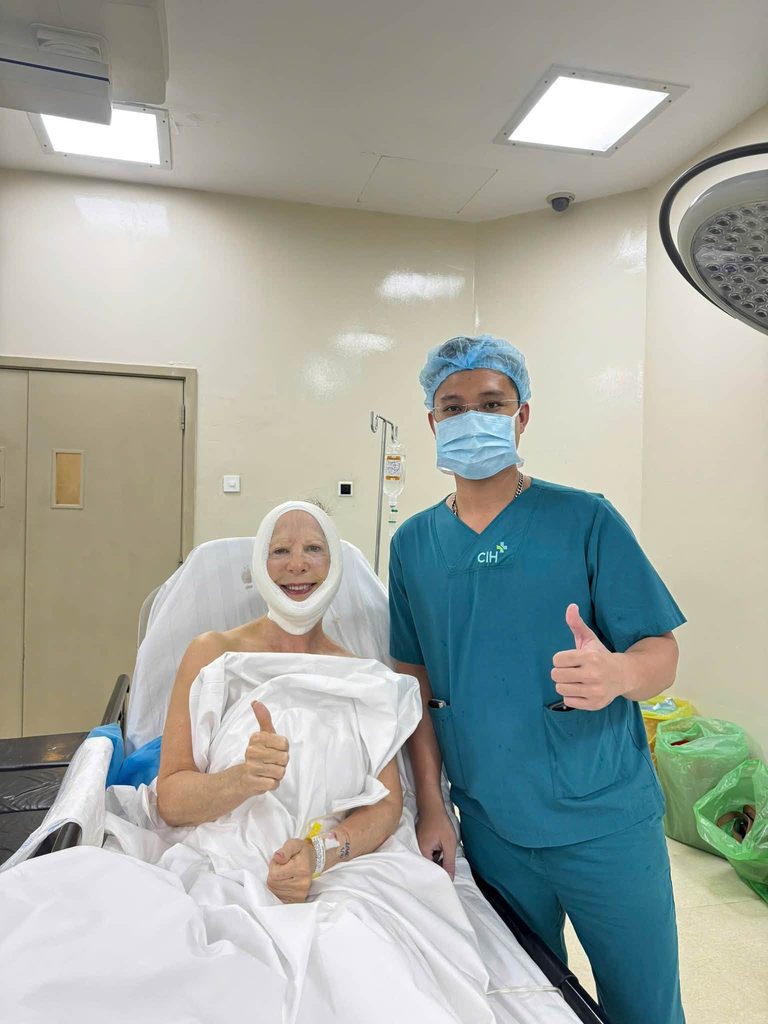
Read more: Postoperative Care After Facelift Surgery – Dr. David Cong
Dr. David Cong is a destination of interest for domestic and international patients seeking facelift surgery in Vietnam. Contact the Dr. David Cong medical team for a free consultation about surgical methods and postoperative care instructions tailored to each patient’s condition.
BOOK YOUR CONSULTATION