


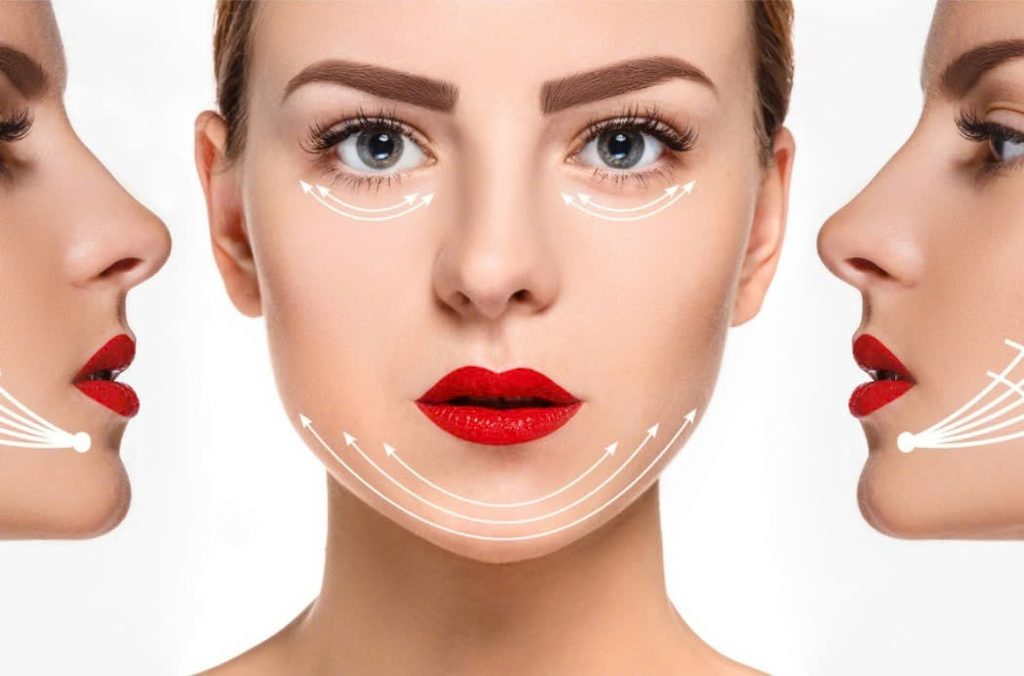
Facial lifting is a way to maintain skin firmness, improve elasticity, and keep the skin smooth and youthful. As we age, the production of collagen and elastin in the skin gradually declines, causing the supporting tissues to lose elasticity, leading to wrinkles and changes in facial contours.
To care for the skin and maintain a youthful appearance, many people are interested in different ways to lift the face at home. In this article, let’s explore 10 simple and easy-to-follow methods for lifting sagging facial skin, along with important precautions to keep in mind when using them.
1. Proper Facial Massage for Skin Lifting
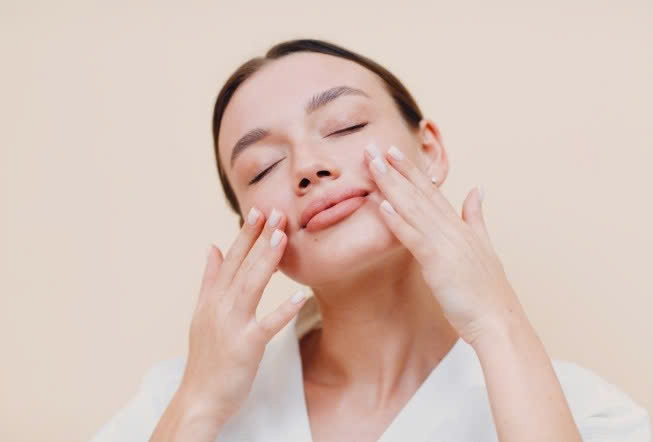
Facial massage is a simple skincare method that helps relax facial muscles, stimulate blood circulation, and provide a soothing sensation. When performed with the correct technique, massage movements can also help the face look fresher while making the skin feel softer and smoother.
How to Perform a Facial Lifting Massage:
- Cleanse your face and apply moisturiser or massage oil to reduce friction.
- Place both hands on your chin and gently glide along the jawline upwards towards your ears.
- Use your fingertips to massage from both corners of the mouth upwards towards the cheekbones.
- Massage the forehead by moving from the centre outwards towards both temples.
- Perform the movements gently for approximately 3–5 minutes, avoiding excessive pulling or rubbing of the skin.
You should maintain regular facial massage as part of your skincare routine. However, this method mainly helps with relaxation and temporary improvements in appearance. It does not tighten facial tissues that have already sagged.
BOOK YOUR CONSULTATION2. Perform Facial Lifting Exercises
Exercise not only helps keep the body healthy but also helps activate facial muscle groups, contributing to skin firmness and elasticity. Here are some simple facial lifting exercises that you can easily perform at home:
Cheek Lifting Exercise:
- Gently purse your lips, then smile widely to engage your cheek muscles.
- Hold the position for approximately 5 seconds, then relax.
- Repeat 10 times without applying excessive force.

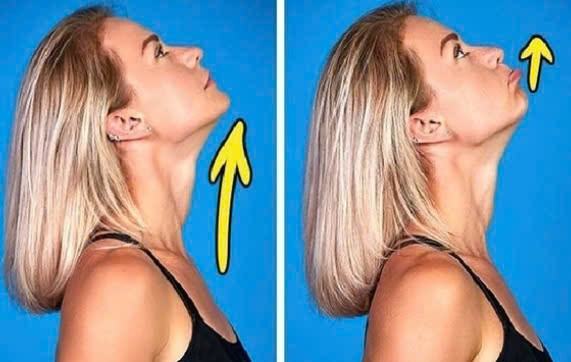
Chin and Neck Exercise:
- Sit up straight and slowly tilt your head backwards, looking upwards.
- Close your lips and push them forward as if you were about to kiss.
- Hold for approximately 5 seconds, then return your head to its original position.
- Repeat 5–10 times. Stop if you experience pain or excessive tension in your neck.
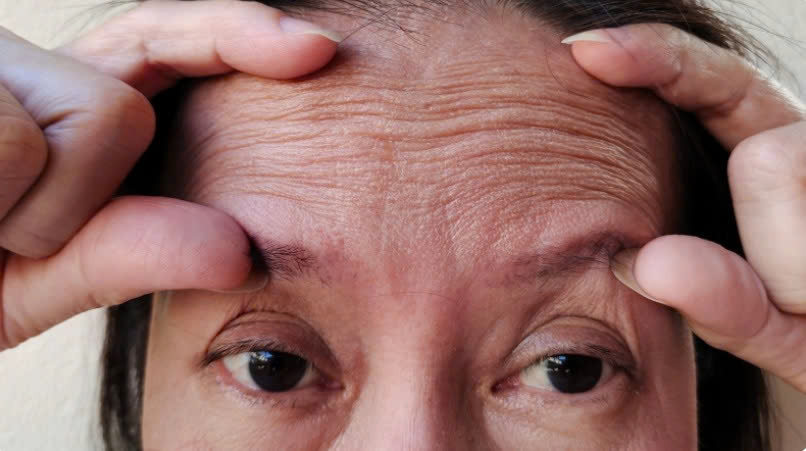
Forehead Relaxation Exercise:
- Place your fingertips on your forehead.
- Gently hold the skin to minimise the formation of wrinkles during movement.
- Slowly raise your eyebrows, then relax.
- Repeat approximately 5–10 times.
3. Apply Natural Face Masks
Natural face masks help provide moisture, soften the skin’s surface, and maintain a smooth appearance. Some commonly used ingredients in home skincare include honey, yoghurt, and aloe vera.
Honey and Yoghurt Face Mask:
- Prepare 1 tablespoon of honey and 2 tablespoons of unsweetened yoghurt.
- Mix the two ingredients thoroughly.
- Apply a thin layer to your cleansed face.
- Leave it on for approximately 10–15 minutes, then rinse with clean water.

Aloe Vera Face Mask:
- Use properly prepared and cleaned aloe vera gel.
- Apply a thin layer to the areas of skin you wish to nourish.
- Leave it on for approximately 10 minutes, then rinse thoroughly.
4. Include Foods That Support Collagen Production
To help maintain skin elasticity, you should follow a varied and balanced diet:
- Protein-rich foods: Fish, eggs, lean meat, beans, and nuts provide amino acids needed for collagen production.
- Vitamin C-rich foods: Oranges, kiwifruit, guava, strawberries, and bell peppers help the body produce collagen.
- Omega-3-rich foods: Salmon, mackerel, and chia seeds provide healthy fats that support the skin’s protective barrier.
- Green vegetables and fruits: Provide vitamins and antioxidants that nourish the skin, maintain a healthy appearance, and help protect it from environmental factors.
5. Use Anti-Ageing Skincare Products
Moisturisers containing anti-ageing ingredients help hydrate the skin, keep it soft and smooth, and reduce wrinkles. When choosing a product, you should pay attention to its ingredients and benefits.
Some commonly used ingredients include:
- Retinol: Helps promote skin renewal, improve fine lines, and refine skin texture.
- Peptides: Certain types of peptides are used in skincare formulations to support the skin’s response to ageing.
- Hyaluronic Acid: Helps retain moisture, making the skin look plumper and reducing dryness.
- Niacinamide: Supports the skin’s protective barrier and helps improve hydration and skin texture.
How to Use:
- Cleanse your skin before applying skincare products.
- Use serum or moisturiser according to the manufacturer’s instructions.
- If using retinol, start with a low frequency to allow your skin to adjust.
- Apply sunscreen during the day.
6. Cold Compresses for Temporarily Fresher and Firmer-Looking Skin
Cold compresses are a simple way to reduce the feeling of puffiness, particularly around the cheeks and under the eyes after waking up. Cold temperatures temporarily cause blood vessels to constrict, helping the face look more refreshed and less puffy.
How to Apply:
- Use a clean, soft towel soaked in cool water or a chilled facial roller.
- Gently apply it to both cheeks, the chin, and the forehead.
- Move gently and avoid holding it in one place for too long.
- Continue for approximately 1–2 minutes.
Do not apply ice directly to the skin, as extremely low temperatures may cause skin damage.
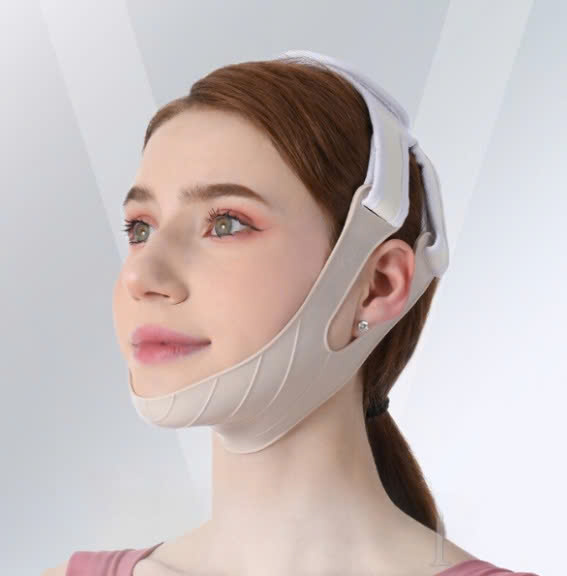
7. Use Facial Lifting Straps and Lifting Patches
Facial lifting straps and lifting patches are products designed to apply pressure or pull the skin’s surface. They are commonly used to create a more defined appearance around the chin and cheeks.
How to Use Facial Lifting Straps:
- Cleanse your skin before use.
- Wear the strap according to the manufacturer’s instructions.
- Adjust it so that it fits comfortably without placing excessive pressure on the chin or ears.
- Remove it immediately if you experience pain, numbness, or discomfort.
How to Use Facial Lifting Patches:
- Cleanse and dry the area where the patch will be applied.
- Apply the patch according to the product instructions.
- Remove it gently to avoid pulling or damaging the skin.
8. Get Enough Sleep and Maintain Proper Sleeping Positions
Prolonged sleep deprivation can make the skin look tired and dull, while also affecting the skin’s natural barrier recovery process. Maintaining good sleep quality is an important part of an anti-ageing skincare routine.
You should develop the following habits:
- Get approximately 7–9 hours of sleep each night.
- Maintain a consistent bedtime and wake-up time.
- Limit phone use before going to bed.
- Avoid sleeping on your stomach or placing prolonged pressure on your face against the pillow.
- Use clean, soft pillowcases and wash them regularly.
9. Protect Your Skin from the Harmful Effects of UV Rays
UVA rays can penetrate deeply into the skin and damage collagen and elastin. Prolonged exposure to sunlight without proper protection can lead to wrinkles, reduced skin elasticity, and premature ageing.
To protect your skin, you should:
- Use broad-spectrum sunscreen with SPF 30 or higher every day.
- Apply an adequate amount of sunscreen according to the instructions and reapply approximately every two hours when spending time outdoors.
- Wear a wide-brimmed hat and sunglasses when going out in the sun.
- Limit direct sun exposure during periods of high UV intensity.
- Combine sunscreen with skincare products containing antioxidant ingredients.
Among the 10 ways to lift facial skin at home, protecting the skin from UV rays is an important step in preventing collagen damage and maintaining skin quality over time.
BOOK YOUR CONSULTATION10. Use At-Home Facial Lifting Devices
At-home facial lifting devices commonly use technologies such as microcurrent, radiofrequency (RF), and other skincare technologies. Their mechanisms and results vary depending on the device. Some devices are designed to help stimulate facial muscles, support skin firmness, or deliver heat to the underlying skin tissues.
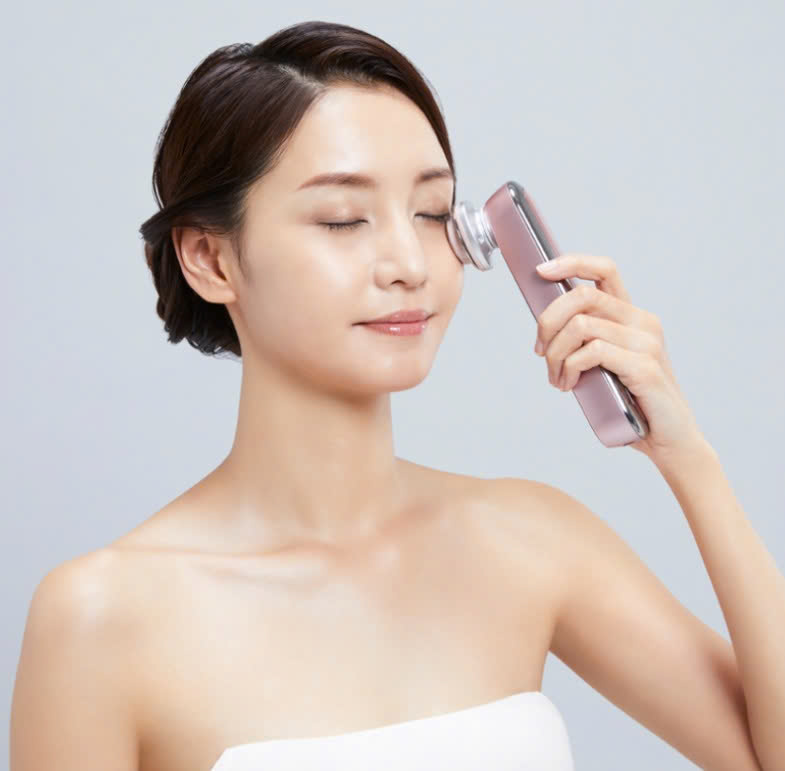
Basic Instructions for Use:
- Cleanse your skin before using the device.
- Check the technology, instructions, and recommended users of the device.
- Apply conductive gel if required by the device.
- Move the device head according to the instructions and avoid keeping it in one position for too long.
- Use the recommended energy level and frequency specified by the manufacturer.
Note: Not all facial lifting devices can reach the deeper supporting tissues beneath the skin. You should choose devices from reputable sources, avoid increasing the intensity without guidance, and never use them if you have any contraindications.
Is It Worth Trying Facial Lifting Methods at Home?
Lifting your face at home is an option for people who want to maintain skin elasticity, care for their skin, and manage signs of ageing. However, the results depend on each person’s skin condition, age, and degree of sagging.
- Skin with early fine lines: Prioritise sun protection, moisturising, anti-ageing skincare ingredients, and a healthy lifestyle.
- Skin with reduced elasticity and early cheek sagging: You can combine skincare, gentle massage, and other suitable supportive methods.
- Pronounced skin sagging, deep nasolabial folds, and less defined jawlines: At-home skincare methods are generally not sufficient to lift tissues that have already sagged. You should consult a doctor to determine the appropriate treatment.
When Should You Consider Surgical Facelift Procedures?
When ageing causes significant skin laxity, sagging cheeks, deep nasolabial folds, and a less defined jawline, at-home skincare methods may no longer meet your aesthetic expectations.
At this stage, a surgical facelift is a procedure that a doctor may consider when addressing excess skin and sagging soft tissues. Depending on the actual condition, the doctor may recommend facial lifting, SMAS layer treatment, or the Deep Plane technique to address the underlying supporting tissues.
At Dr. David Cong’s clinic, each client receives a direct consultation to assess the degree of facial ageing, skin laxity, and soft tissue structure. Based on the examination results, the doctor develops a surgical plan tailored to each individual’s facial features.
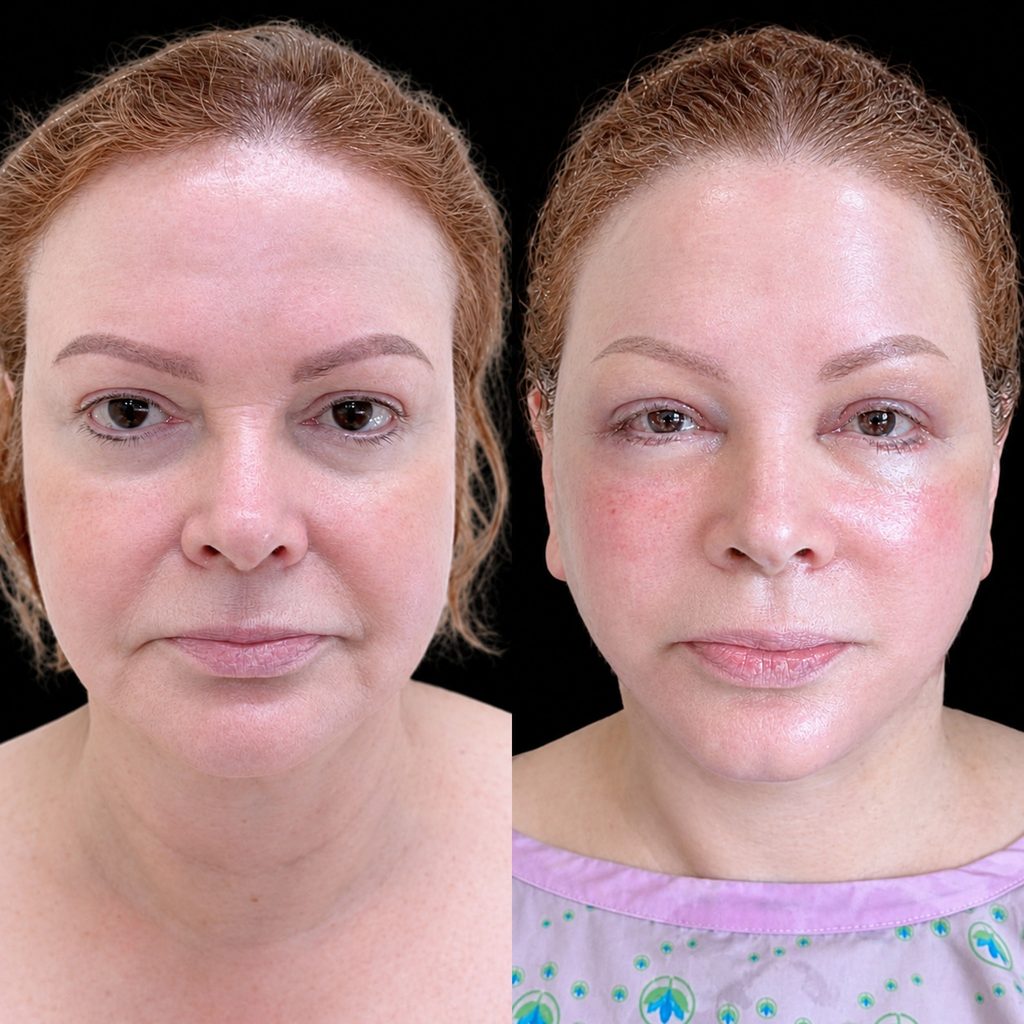
The procedure focuses on every stage, from facial measurements and marking the treatment areas to precise surgical techniques. After surgery, clients receive monitoring from the doctor and nursing team, along with post-operative care instructions and follow-up assessments throughout recovery.
Read More: Experience a Premium Facelift Procedure with Dr. David Cong
Contact Dr. David Cong’s team for consultation on suitable facelift methods, estimated costs, and currently available promotional offers.
BOOK YOUR CONSULTATION