


After facelift surgery, diet is one of the concerns that many patients pay attention to during the recovery process. In particular, questions such as whether you need to avoid beef, water spinach, chicken, eggs, or seafood after facelift surgery are commonly raised during the first few days after surgery.
According to the post-operative care and guidance provided by Dr. David Cong, nutrition after facelift surgery should be considered based on the condition of the incision, individual constitution, potential allergies, and the surgeon’s instructions. Not all foods need to be completely avoided. Instead, patients should know how to choose suitable foods and consume sufficient nutrients to support the body’s recovery.
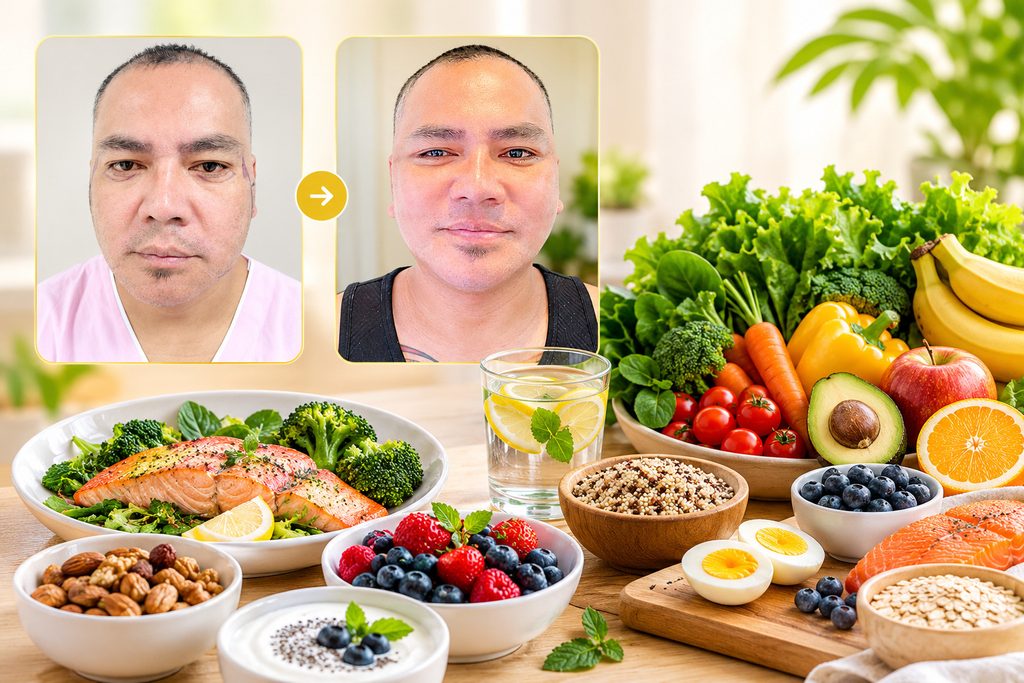
So, what foods should you avoid after facelift surgery, what should you eat, and how long should you follow a specific diet? This article will help you understand important dietary and post-operative care guidelines following facelift surgery.
1. What Foods Should You Avoid After Facelift Surgery?
After facelift surgery, you should pay attention to the following five groups of foods and drinks to support the recovery process:
Alcohol and Tobacco
Alcohol may interact with post-operative medications, while nicotine can reduce blood flow to tissues and affect wound healing. Therefore, you should avoid alcoholic beverages and stop using tobacco and nicotine products according to your surgeon’s instructions.
Foods High in Salt
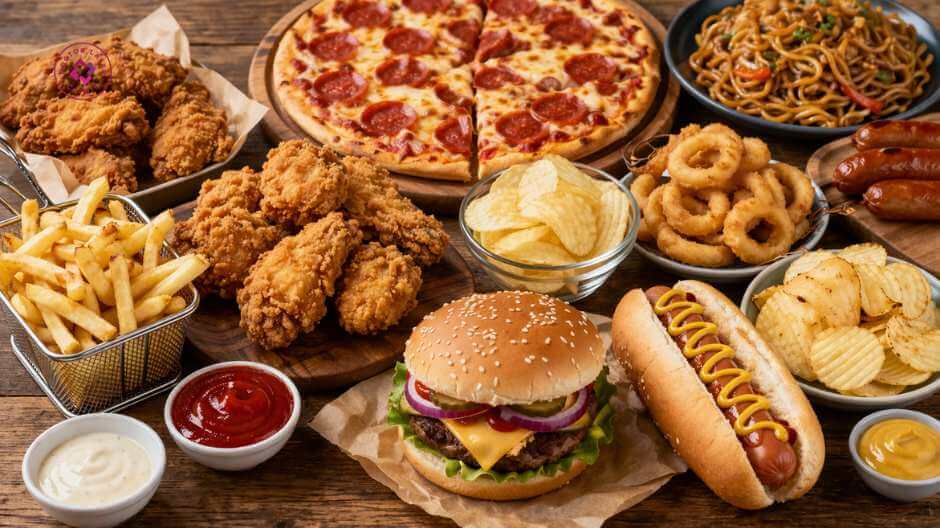
Instant noodles, fast food, and processed foods often contain high amounts of salt, which may cause the body to retain water and make swelling more difficult to control. You should limit these foods during the recovery period.
Foods That May Cause Allergic Reactions
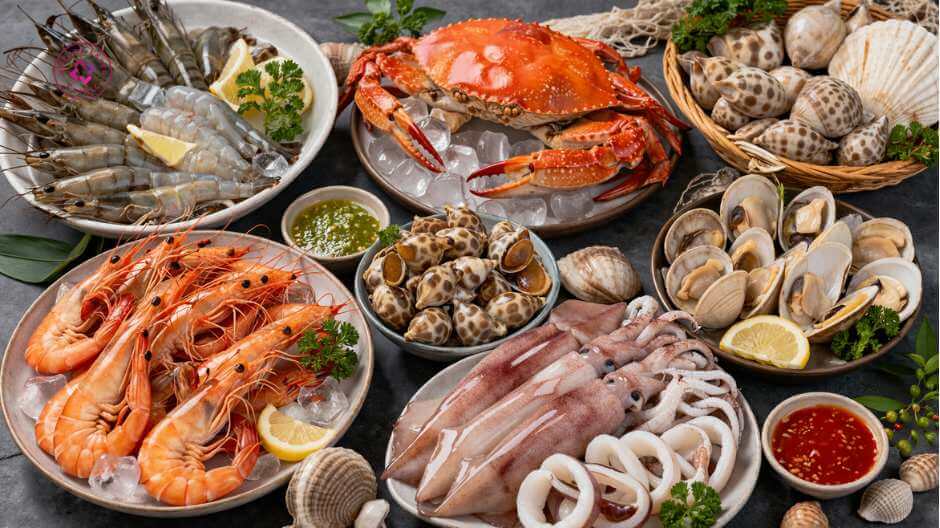
Avoid foods that you have previously been allergic to, such as seafood, eggs, or milk, to reduce the risk of itching, rashes, and swelling. If you experience an allergic reaction after eating, contact a healthcare professional.
Raw or Undercooked Foods
Avoid rare meat, raw eggs, salads containing raw ingredients, and undercooked seafood, as these foods may increase the risk of bacterial infection and affect your health during the post-operative period.
Foods High in Sugar and Fried Foods
Sweets, soft drinks, and fried foods should be limited to help maintain a balanced diet. People with diabetes should control their sugar intake according to their doctor’s instructions.
Do You Need to Avoid Beef, Water Spinach, Chicken, Eggs, and Seafood After Facelift Surgery?
Not everyone needs to completely avoid these foods after facelift surgery. Beef, chicken, eggs, and seafood can provide protein and various nutrients necessary for the recovery process. Water spinach can also be included in a balanced diet. However, if you have food allergies, medical conditions that require dietary adjustments, or have been specifically advised by your surgeon to avoid certain foods, you should follow those instructions. You should not eliminate multiple food groups without a suitable reason.
2. What Should You Eat After Facelift Surgery to Support Recovery?
After facelift surgery, you should maintain a complete and varied diet to ensure your body receives sufficient nutrients during the recovery process. Below are some foods you should consider including in your daily meals:
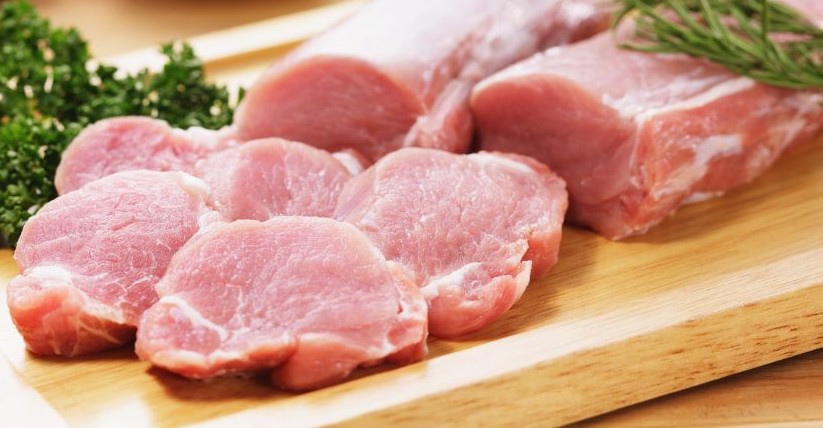
- Meat, Fish, and Eggs: These foods are rich in protein, which helps the body repair tissues and heal wounds after surgery. You can alternate between lean meat, fish, chicken, and eggs to make your meals more varied.
- Green Vegetables: Vegetables such as broccoli, leafy greens, carrots, and Malabar spinach provide vitamins, minerals, and dietary fibre. You should eat vegetables regularly and can prepare them by boiling, steaming, or making soup to make them easier to eat.
- Fresh Fruits: Oranges, guavas, kiwis, papayas, and strawberries provide vitamin C and various essential nutrients. You can eat them directly or include them in your snacks throughout the day.

- Milk and Legumes: Milk, yoghurt, soybeans, and other legumes help provide protein and various other nutrients. They are also suitable options for diversifying your diet, especially when you do not feel like eating too much meat or fish.
- Drink Enough Water: You should drink water regularly throughout the day to maintain normal body functions. In addition to plain water, you can also obtain fluids from soups, broths, and fresh fruits.
During the first few days after surgery, if your face is still swollen, painful, or difficult to chew, you should prioritise soft and easy-to-eat foods such as porridge, soup, steamed fish, eggs, and well-cooked vegetables. As your condition stabilises, you can gradually return to your normal diet according to your surgeon’s instructions.
BOOK YOUR CONSULTATION3. How Long Should You Avoid Certain Foods After Facelift Surgery?
The length of time you need to avoid certain foods after facelift surgery depends on the condition of the incision, the extent of the surgery, your overall health, and your individual constitution.
You can refer to the following dietary guidelines:
- During the First Few Days: Prioritise soft, easy-to-chew, and easy-to-digest foods if your face is still painful or you have difficulty moving your jaw. Avoid alcohol, tobacco, and foods that do not meet proper food hygiene standards.
- During the First 1–2 Weeks: Continue maintaining a nutritious diet with sufficient protein, green vegetables, and fresh fruits. If your surgeon advises you to avoid specific foods, you should follow those instructions.
- During the Following Weeks: You can gradually return to your normal diet once your health has stabilised and your recovery is progressing well. The timing for reintroducing foods that you were advised to avoid should depend on your surgeon’s guidance.
You should not decide how long to avoid certain foods based solely on the number of days since surgery. If your incision shows unusual signs or you have underlying medical conditions, your surgeon may provide specific dietary instructions based on your actual condition.
4. Important Post-Operative Care Tips After Facelift Surgery
In addition to your diet, proper wound care and daily habits are also very important. After facelift surgery, you should pay attention to the following:
- Keep the Incision Clean: Follow your surgeon’s instructions, keep the surgical area clean, and avoid applying any products directly to the incision without medical advice.
- Get Adequate Rest: Get enough sleep, keep your head elevated as instructed, and avoid strenuous activities during the initial recovery period.
- Avoid Pressure on the Face: Do not massage, stretch, or apply strong pressure to the surgical area without your surgeon’s permission.
- Take Medications as Prescribed: Do not stop taking medication, adjust the dosage, or add other medications and supplements without consulting your surgeon.
- Attend Follow-Up Appointments: Follow-up visits allow your surgeon to monitor the incision and adjust your post-operative care instructions when necessary.
5. Post-Operative Care Consultation After Facelift Surgery at Dr. David Cong
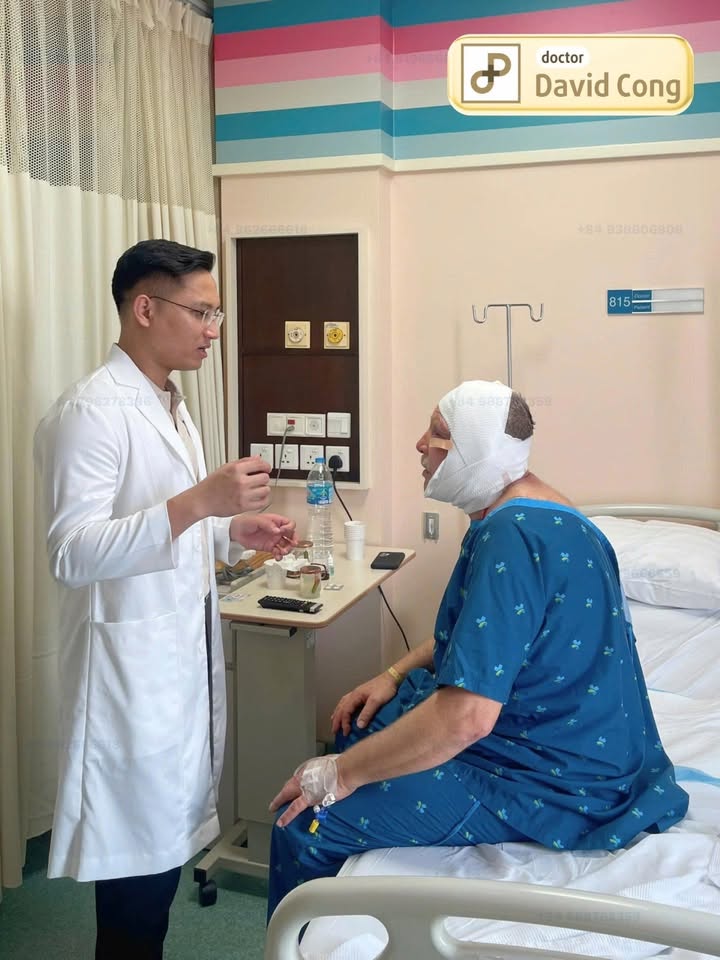
After facelift surgery, patients need proper monitoring and post-operative care guidance to help ensure a smooth recovery process. At Dr. David Cong, each patient receives consultation on a facelift method suitable for their facial condition, together with specific instructions on diet, incision care, medication use, and follow-up appointments.
With the support of the medical team throughout the post-operative period, patients can feel more reassured when taking care of their health, monitoring their recovery, and promptly contacting the surgeon if any unusual signs occur. The goal is to provide attentive care while prioritising patient safety at every stage after surgery.
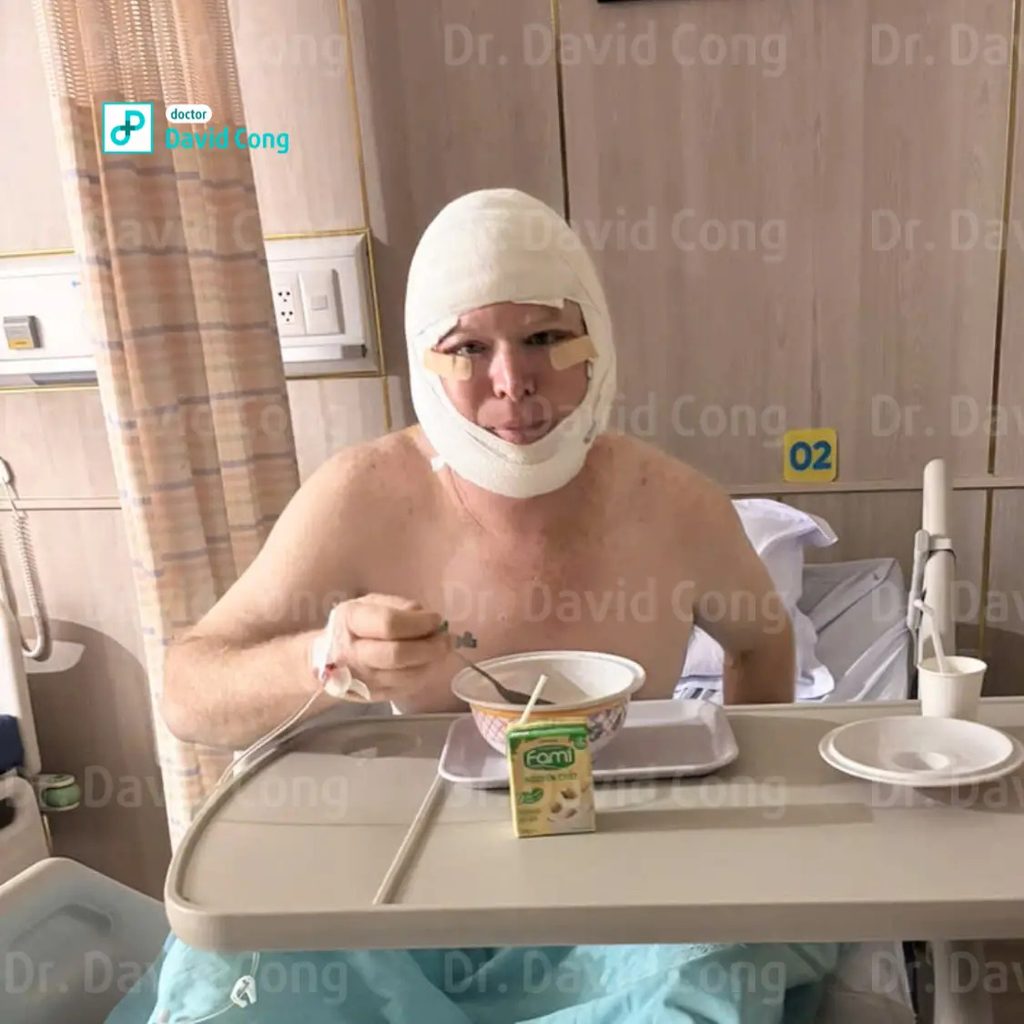
See also: [Post-Operative Care After Facelift Surgery – Dr. David Cong]
With a professional background in Plastic and Aesthetic Surgery, Dr. David Cong focuses on assessing each patient’s individual condition, monitoring post-operative recovery, and providing appropriate care instructions.
Contact the Dr. David Cong team for a free consultation on suitable facelift methods, to learn about the estimated costs, and to receive information about current promotional offers when undergoing facelift surgery in Vietnam.
BOOK YOUR CONSULTATION