


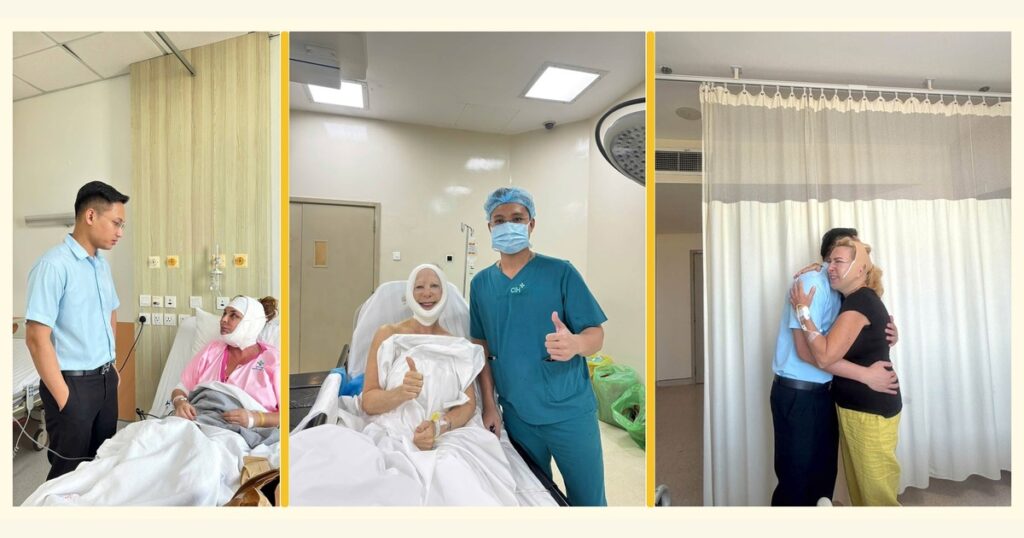
After facelift surgery, a compression garment is an important part of post-operative care. Wearing it correctly and following your surgeon’s instructions on how long to use it can help support the recovery process. On the other hand, wearing the garment incorrectly or not following medical instructions may affect swelling and recovery after surgery.
So, what is the role of a compression garment after facelift surgery? How long should you wear it, and how should you use it correctly? Let’s explore the essential information with Dr. David Cong to help you care for your face during the post-operative period and support a smoother recovery.
1. What Does a Compression Garment Do After Facelift Surgery?
A compression garment is a post-operative care aid designed to fit closely around the face, chin and neck, depending on the area treated during surgery. After a facelift, it is used as directed by your surgeon to help support the soft tissues and manage swelling during the early stages of recovery.
The main functions of a compression garment include:
- Helping manage swelling: Appropriate compression can help manage swelling after surgery.
- Supporting soft tissues: The garment helps support the operated tissues during the early stages of recovery.
- Supporting post-operative care: Wearing the garment in the correct position and following instructions helps maintain appropriate pressure on the areas that need support.
As part of post-operative care, Dr. David Cong emphasises to his patients that wearing a compression garment correctly and following the instructions for use are important considerations after facelift surgery.
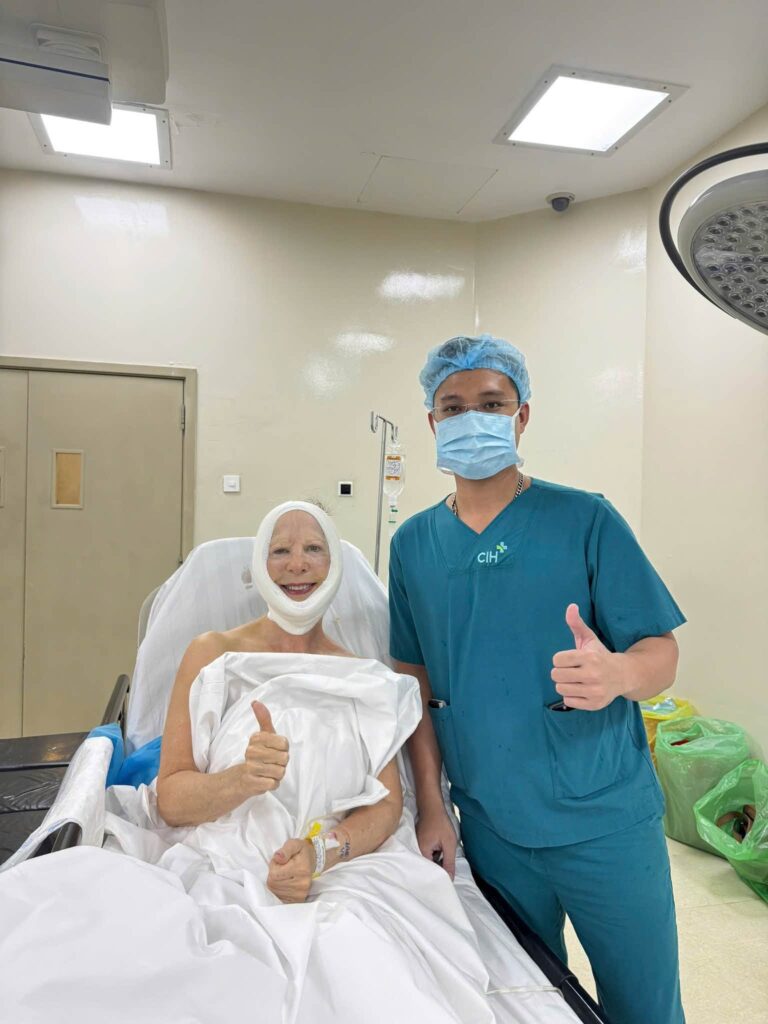
2. How to Wear a Compression Garment Correctly After Facelift Surgery
Positioning the compression garment correctly and securing it comfortably are important parts of post-operative care after a facelift. The following are the basic steps to follow according to your surgeon’s instructions.
Step 1: Clean Your Hands and Face

Wash your hands thoroughly and check the garment before use. It should be clean, dry and free from twists or damage. Also, check your face and surgical dressings according to your post-operative instructions. Do not remove dressings or touch the incision sites unless your surgeon has given you permission.
Step 2: Position the Garment Correctly
Identify the inside, outside and correct orientation of the garment according to the instructions for your specific type of garment. For a garment designed to support the chin and face, position the supportive section correctly, ensuring that it sits evenly without the edges rolling or folding.
Avoid pulling the garment forcefully over the operated area or disturbing the surgical dressings. If you are unsure how to position it, ask a healthcare professional to demonstrate the correct technique.
Step 3: Secure the Garment for a Comfortable Fit

Adjust the fastening straps gradually so that the garment stays securely in place without being too tight. It should not cause pain, numbness, uncomfortable pressure or concentrated pressure on one area.
Do not pull the straps too tightly. If the garment causes increasing pain, unusual numbness or changes in skin colour, contact your surgeon for advice on what to do.
Step 4: Check the Fit After Wearing It
Once the garment is secured, check that it sits evenly and has not twisted or slipped out of position. Pay attention to the areas around your chin, cheeks and ears to identify any points where the pressure may be too strong.
If the garment causes persistent discomfort or affects the surgical incision area, do not simply tolerate the discomfort or repeatedly tighten and loosen it yourself. Contact your surgeon for an assessment and advice on adjusting the fit.
Step 5: Follow the Prescribed Wearing Schedule
How long you need to wear the garment, and whether you need to wear it while sleeping, depends on the surgical technique and your individual recovery. Follow the wearing schedule provided by your surgeon. Do not remove the garment earlier than instructed or extend its use without medical advice.
If you need to remove the garment for cleaning or replacement, follow your post-operative instructions to avoid disturbing the operated area.
BOOK YOUR CONSULTATION3. Important Things to Remember When Wearing a Compression Garment After Facelift Surgery
- Follow the prescribed wearing schedule: Wear the garment for the period specified by your surgeon. Do not remove it early, extend the wearing period or change the schedule without medical advice.
- Take care when sleeping: If you have been instructed to wear the garment while sleeping, continue to follow those instructions. Sleep on your back, keep your head elevated and avoid putting pressure on the recently operated area.
- Do not ignore unusual symptoms: Contact your surgeon if you experience increasing pain, persistent numbness, changes in skin colour or unusual uneven swelling. If your face swells rapidly, you experience severe pain or your skin develops marked purple or bluish discolouration, seek urgent medical assessment.
- Keep the garment clean: Keep it clean and dry, and clean it according to the manufacturer’s or your surgeon’s instructions. Avoid prolonged contact between dirty or damp fabric and your skin. Do not remove surgical dressings yourself for cleaning.
- Do not change the type of garment without advice: Use the garment prescribed for your surgery. Do not replace it with another type, even if the current garment feels uncomfortable. Contact your surgeon for guidance.
- Attend follow-up appointments: Attend your scheduled appointments so your surgeon can assess your recovery and advise you on any necessary changes to the wearing schedule.
4. How Long Should You Wear a Compression Garment After Facelift Surgery?
The length of time each patient needs to wear a compression garment varies. Your surgeon will consider the surgical technique, the extent of the procedure, the degree of swelling and your recovery progress before providing specific instructions. The wearing period may be adjusted according to how your recovery progresses.

Do You Need to Wear a Compression Garment While Sleeping?
This depends on your surgeon’s instructions. If you are advised to wear the garment while sleeping, follow the guidance on how to secure it and the recommended sleeping position.
Do not remove the garment at night without medical advice simply because it feels uncomfortable. Contact your surgeon if wearing it affects your sleep or causes pain.
When Can You Stop Wearing the Garment?
You should stop wearing the garment or reduce the wearing time only when advised by your surgeon. A reduction in swelling does not necessarily mean the tissues have fully recovered, so you should not make this decision based solely on the appearance of your face.
BOOK YOUR CONSULTATION5. Common Mistakes to Avoid When Using a Compression Garment
- Tightening the garment too much: This may cause pain, numbness or excessive pressure on the operated area.
- Wearing the garment in the wrong position: This may prevent it from supporting the intended areas properly and cause discomfort.
- Removing the garment too early: This means not following the recommended post-operative care plan.
- Changing the wearing schedule yourself: Increasing or reducing the wearing time without consulting your surgeon.
- Ignoring unusual symptoms: Continuing to wear the garment despite increasing pain, numbness or changes in skin colour.
If you have difficulty using the garment, speak with your surgeon for guidance rather than trying to resolve the problem yourself.
6. How to Clean and Store a Compression Garment
How to Clean a Compression Garment
- Remove the garment for cleaning only according to your surgeon’s instructions. Do not remove it without permission.
- Wash the garment with water and a mild detergent if the material allows. Do not use harsh cleaning agents or hot water without checking the manufacturer’s instructions.
- Rinse thoroughly, avoid twisting or wringing the garment forcefully, and allow it to dry completely before using it again.
- Do not allow a damp or dirty garment to remain in contact with recovering skin. If the garment becomes stained with blood or wound fluid, or develops an unusual odour, contact your healthcare team for advice.
How to Store a Compression Garment
- Store the garment in a clean, dry and well-ventilated place, away from direct sunlight and excessive heat.
- Once completely dry, keep it in a clean storage area, away from dirty clothing or other contaminated items.
- Check the fastening straps, closures and elasticity before use. Replace the garment if it becomes stretched, torn or unable to stay in the required position.
In addition to wearing the garment, you should care for your surgical incisions according to your surgeon’s instructions, rest in the recommended position and attend follow-up appointments as scheduled. If you experience increasing pain, unusual numbness, changes in skin colour or rapidly worsening swelling, contact your surgeon for an assessment.
For international patients, Dr. David Cong provides support in planning facelift surgery in Vietnam, from discussing suitable surgical techniques and estimating costs to arranging accommodation and post-operative care. Before travelling, you can discuss your surgical schedule, expected recovery period and the appropriate time to return home.
By preparing for each stage in advance, you can plan your travel and recovery time more effectively and feel more confident about choosing to undergo facelift surgery in Vietnam.
We hope this article has helped you better understand how to wear a compression garment correctly and safely after facelift surgery. Wearing the garment as instructed, for the prescribed period, together with proper post-operative care, can help manage swelling, support the recovering tissues and allow your facial contours to gradually settle.
Remember to follow your surgeon’s instructions and attend your scheduled follow-up appointments so your recovery can be monitored and you can receive appropriate care after surgery.
BOOK YOUR CONSULTATION