


A facelift is a cosmetic surgical procedure chosen by many people to address loose, sagging skin, deep wrinkles and sagging soft tissues in the face. At Dr. David Cong, clients receive direct examinations and consultations about suitable facelift techniques based on their ageing condition, facial structure and aesthetic expectations. With a focus on surgical techniques and personalised treatment plans, the doctor aims to achieve a firmer facial appearance, more defined and harmonious contours, helping clients maintain a youthful appearance and confidence.
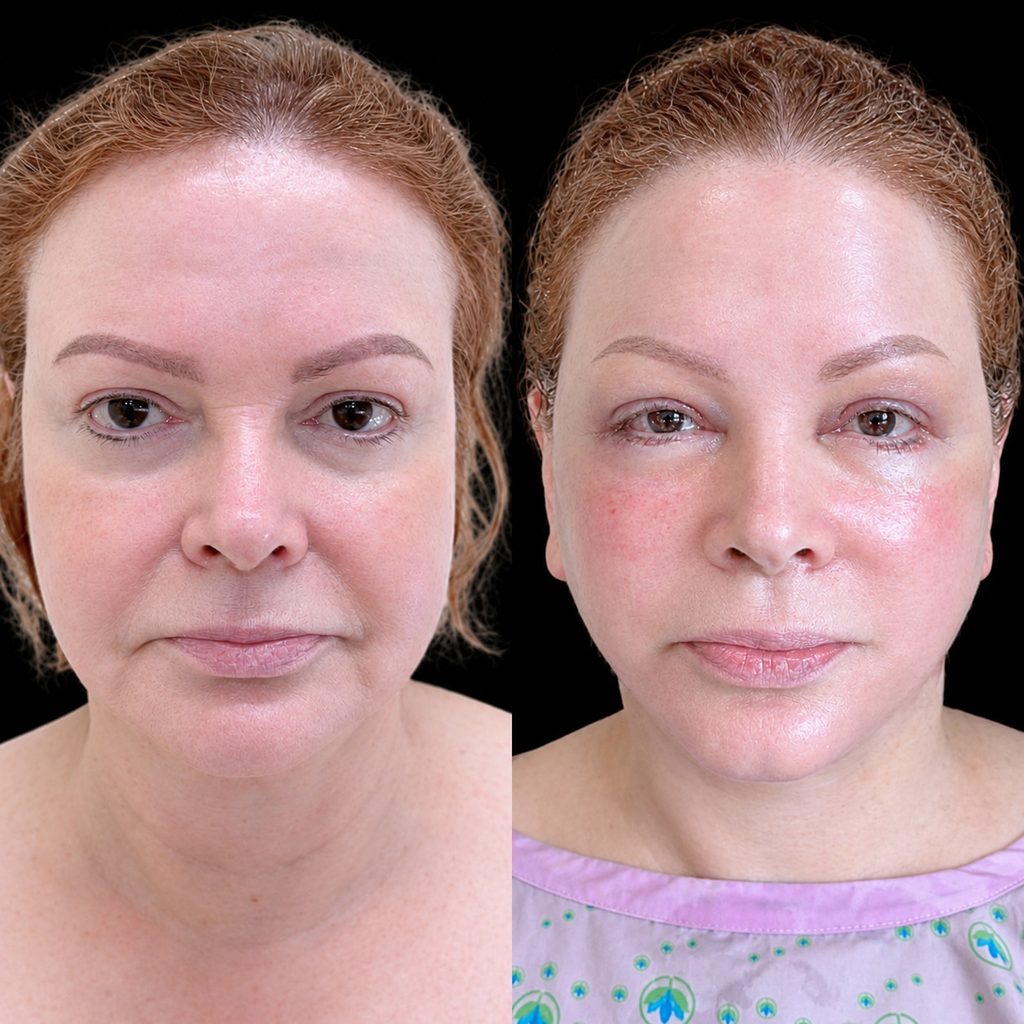
1. What Is a Facelift?
A facelift is a cosmetic surgical procedure that helps address wrinkled and sagging facial skin, drooping cheeks and a less defined jawline. During surgery, the doctor adjusts the soft tissue layers beneath the skin and removes excess skin to make the face look firmer and more refined.
One of the tissue layers given particular attention during facelift surgery is the SMAS (Superficial Musculoaponeurotic System). Depending on the surgical technique, the doctor selects an appropriate level of intervention for each client.
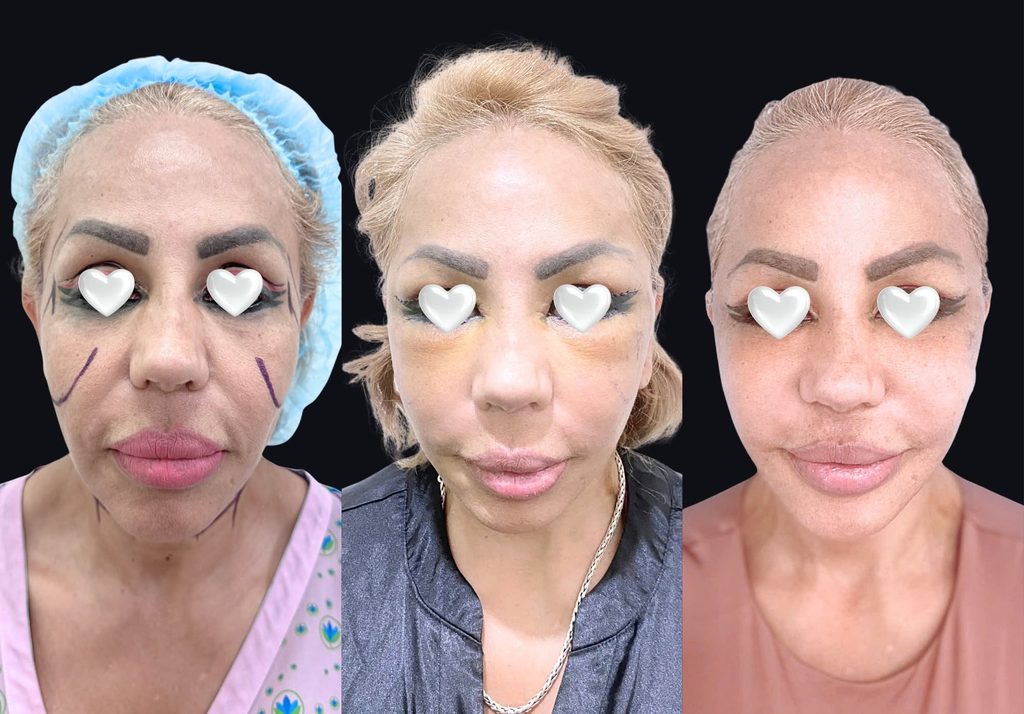
Currently, several common facelift techniques are available:
- Mid-Facelift: Focuses on the cheeks, under-eye area and nasolabial folds, where soft tissue sagging commonly occurs.
- Lower Facelift: Focuses on the lower cheeks, areas around the mouth and jawline, helping the face look more refined.
- Full Facelift: Addresses multiple areas of the face, usually including the midface and lower face, depending on the client’s ageing condition.
- Deep Plane Facelift: An advanced facelift technique that works on tissue layers located deep beneath the SMAS. It helps lift sagging cheeks, define the jawline and address deep wrinkles.
2. Who Is Suitable for a Facelift?
The ageing process causes collagen and elastin levels in the skin to decrease, reducing skin elasticity and gradually weakening the firmness of soft tissues. As a result, the face develops more wrinkles, sagging cheeks, deeper nasolabial folds and a less defined jawline. A facelift is suitable for people experiencing the following conditions:
- Wrinkled and sagging facial skin: The skin gradually loses elasticity, resulting in more wrinkles and noticeable skin creases around the cheeks and mouth.
- Sagging cheeks: Soft tissues in the cheek area descend, making the face look heavier and less firm.
- Deep nasolabial folds: The folds extending from the sides of the nose to the corners of the mouth become more pronounced due to changes in the soft tissues.
- A less defined jawline: Sagging skin and soft tissues in the lower cheek area can create jowls or make the jawline look less slim and defined.
- Loose and sagging neck skin: Wrinkles, excess skin and sagging soft tissues appear beneath the chin and around the neck.
- An older-looking facial appearance: Multiple signs of ageing appear at the same time, making the overall face look less firm and harmonious.
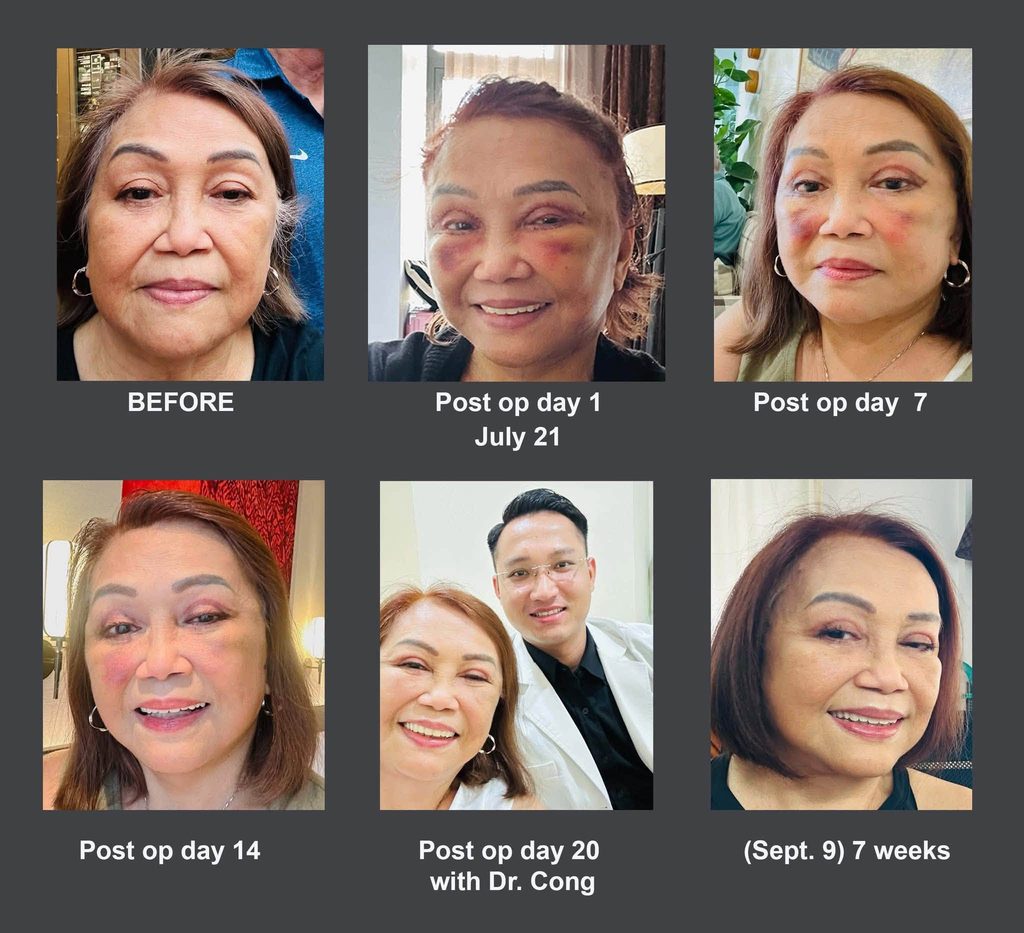
For people with noticeable skin sagging, skincare treatments or non-surgical rejuvenation methods may not meet their aesthetic expectations. Facelift surgery directly addresses sagging skin and soft tissues, removes excess skin and helps the face look firmer and more refined.
3. What Are the Benefits of a Facelift?
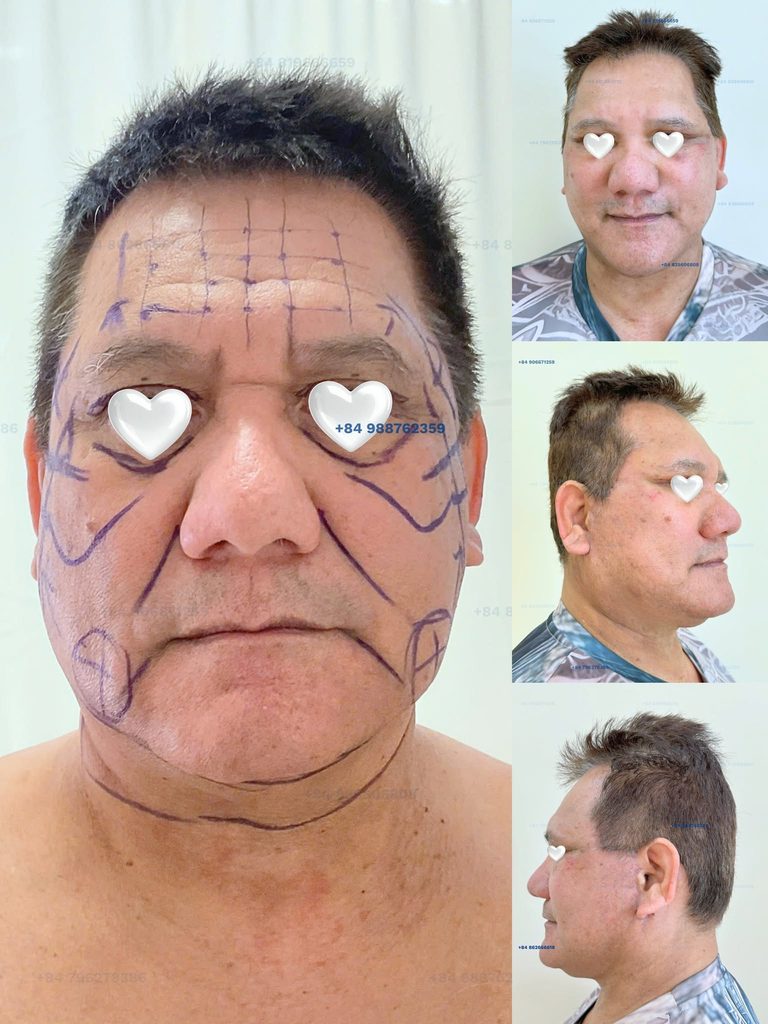
Removing Wrinkled and Sagging Skin
The doctor removes excess and loose skin in the areas requiring intervention, helping the skin surface become smoother and firmer.
Lifting and Supporting Sagging Soft Tissues
Soft tissue layers are lifted and repositioned to more appropriate positions, helping address sagging cheeks, deep nasolabial folds and drooping in the lower face.
Creating a More Defined Jawline
Addressing sagging soft tissues in the lower cheeks and jawline helps the overall face look more refined and balanced.
Rejuvenating the Overall Face
A facelift addresses multiple signs of ageing at the same time, helping the face achieve a firmer and more harmonious appearance compared with before surgery.
Maintaining Long-Lasting Results
Compared with non-surgical rejuvenation methods, a facelift can maintain its results for a long period.
4. Common Facelift Techniques Available Today
SMAS Facelift
This is a surgical technique that targets the SMAS layer beneath the skin. The doctor lifts, adjusts and secures the superficial musculoaponeurotic system, combined with the removal of excess skin when necessary. This method focuses on the supporting structure of the soft tissues and is suitable for people experiencing sagging skin and soft tissues in the face.
Deep Plane Facelift
A Deep Plane Facelift is an advanced surgical technique that works on tissue layers located deep beneath the SMAS system. The doctor releases the retaining ligaments, lifts and repositions the soft tissues to more appropriate positions. This technique aims to address sagging in multiple facial areas, particularly the cheeks, nasolabial folds and jawline.
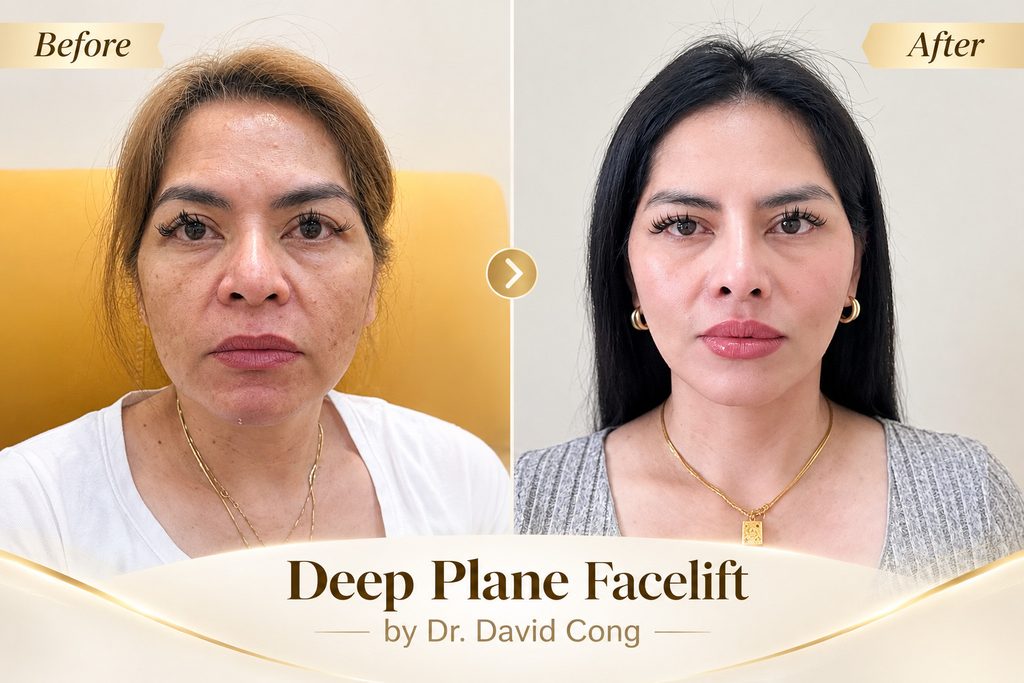
Full Facelift
A full facelift is a procedure that addresses multiple facial areas within the same surgical plan. The treatment areas may include the cheeks, midface, lower face and jawline. Depending on each case, the doctor may combine soft tissue lifting techniques with excess skin removal to address the client’s actual ageing condition.
There is no single facelift technique that is suitable for everyone. The choice of technique should be based on examination results, anatomical structure, the degree of sagging and the doctor’s professional assessment.
5. What Is the Facelift Surgery Procedure?
At Dr. David Cong, facelift surgery is performed according to professional procedures, strictly complying with the regulations and standards of the Ministry of Health to ensure surgical safety requirements are met.
Step 1: Examination and Consultation
The doctor directly examines the skin condition, degree of sagging, soft tissue structure and areas requiring intervention. Based on the examination results, the doctor recommends a suitable facelift technique.
Step 2: Preoperative Health Assessment
Clients undergo the necessary medical examinations to assess their health condition, determine their ability to undergo surgery and identify any related risk factors.
Step 3: Surgical Planning and Marking
The doctor measures and marks the treatment areas, identifying the surgical incision locations based on each client’s facial structure.
Step 4: Performing Facelift Surgery
The doctor performs the necessary procedures to release, lift and reposition the soft tissues, combined with excess skin removal when necessary. The entire surgical process is carried out carefully and precisely, following professional requirements and safety standards in cosmetic surgery.
Step 5: Closing the Incisions and Postoperative Care
After completing the surgery, the doctor closes the incisions, checks the surgical areas and transfers the client to the postoperative monitoring stage. The doctor and nursing team provide care instructions, monitor the recovery process and arrange follow-up appointments to assess the postoperative results.
Read More: Experience a Premium Facelift Procedure with Dr. David Cong
6. What Makes a Facelift at Dr. David Cong Stand Out?
When choosing a facelift at Dr. David Cong, clients receive direct examinations, undergo surgery performed by the doctor and have their recovery closely monitored throughout the postoperative period. With a professional background in plastic and aesthetic surgery and experience performing facelift techniques, the doctor aims to achieve harmonious rejuvenation, helping the face look firmer while preserving each client’s individual features.
Professional Background in Plastic and Aesthetic Surgery
Dr. David Cong has a professional training background in plastic and aesthetic surgery, together with experience performing various facelift techniques. The doctor focuses on updating surgical techniques and selecting treatment approaches based on each client’s anatomical characteristics and actual condition.


Examination and Personalised Surgical Techniques
Rather than applying the same technique to every case, the doctor directly assesses sagging skin, soft tissue layers and facial structure to recommend a suitable method. Clients receive detailed information about the treatment areas, surgical process and expected aesthetic results.
Focus on Surgical Safety Standards
The examination, health assessment and surgical procedures are carried out according to professional protocols and in compliance with the regulations and standards of the Ministry of Health. Factors related to the client’s health and ability to undergo surgery are assessed before the procedure.
Postoperative Monitoring and Support Throughout Recovery
Dr. David Cong and the nursing team closely monitor clients’ postoperative conditions, provide care instructions and support them throughout each stage of recovery. Follow-up appointments are arranged to check the incisions and assess the stability of the surgical areas.
Consultation on Surgical Costs and Current Promotions
Clients receive detailed consultation about the surgical method, treatment plan, procedure costs and currently available promotional programmes.
7. Frequently Asked Questions About Facelift Surgery
What Age Is Suitable for a Facelift?
A facelift is suitable for people from around 35 years old onwards, when the skin begins to develop wrinkles and sagging, and the cheeks and jawline show signs of drooping. However, there is no fixed age for undergoing the procedure. Suitability also depends on the individual’s ageing condition, facial structure and overall health.
Will a Facelift Leave Scars?
A facelift is a surgical procedure, so scars will form at the treated areas.
At Dr. David Cong, the surgery is performed carefully and meticulously, combined with aesthetic suturing techniques to help the incisions heal properly and achieve a high level of aesthetic appearance. After surgery, the scars gradually stabilise and fade during the recovery process. Scar healing results depend on each client’s individual healing characteristics and postoperative care.
Will a Facelift Change My Facial Features?
A facelift helps address sagging cheeks, loose skin, deep nasolabial folds and a less defined jawline. After surgery, the face looks firmer, more refined and more youthful. At Dr. David Cong, the doctor selects the surgical technique and level of intervention based on each client’s facial structure, aiming for harmonious results without losing their individual facial features.
How Long Do Facelift Results Last?
Facelift results generally last for many years, depending on the surgical technique, age, individual characteristics and skin condition of each client. Surgery addresses excess skin and sagging soft tissues at the time of the procedure; however, the ageing process continues. Skincare, sun protection and maintaining a healthy lifestyle also contribute to preserving aesthetic results over the long term.
Can a Facelift Be Combined with a Neck Lift?
Yes. A facelift and neck lift are often combined when clients experience sagging in the lower cheeks, jawline, under the chin and neck areas. This combination helps address excess skin, wrinkles and sagging soft tissues in both areas simultaneously, creating a seamless transition between the facial contours and the neck.
At Dr. David Cong, the doctor will examine each client and recommend a suitable surgical scope based on their actual condition.
8. Facelift with Dr. David Cong – Rejuvenate Your Appearance with Confidence at Every Stage
A facelift is a cosmetic surgical procedure that requires a doctor with a professional background in plastic and aesthetic surgery, practical experience and meticulous attention to every surgical step. With professional expertise and experience in plastic and aesthetic surgery, Dr. David Cong aims to achieve a firmer facial appearance, more refined and harmonious contours that suit each client’s individual features.
Beyond the surgical procedure itself, the doctor and nursing team closely monitor clients, provide care instructions and accompany them throughout the recovery period, helping clients feel more reassured and comfortable.
Contact the Dr. David Cong team for a direct consultation about facelift techniques, the surgical plan, procedure costs and currently available promotional programmes. Clients will receive detailed and dedicated answers to their questions before making a decision about undergoing facelift surgery in Vietnam.
Read More: Before and After Facelift Surgery