


Post-operative care after facelift surgery plays an important role in recovery and maintaining aesthetic results. From caring for surgical incisions and monitoring swelling and bruising to adjusting daily activities and nutrition, each stage requires attention and should be managed according to the surgeon’s instructions.
In this article, Dr David Cong shares important guidance on post-operative care, common signs during recovery, and symptoms that require medical assessment to help patients take a more active role in their recovery after surgery.
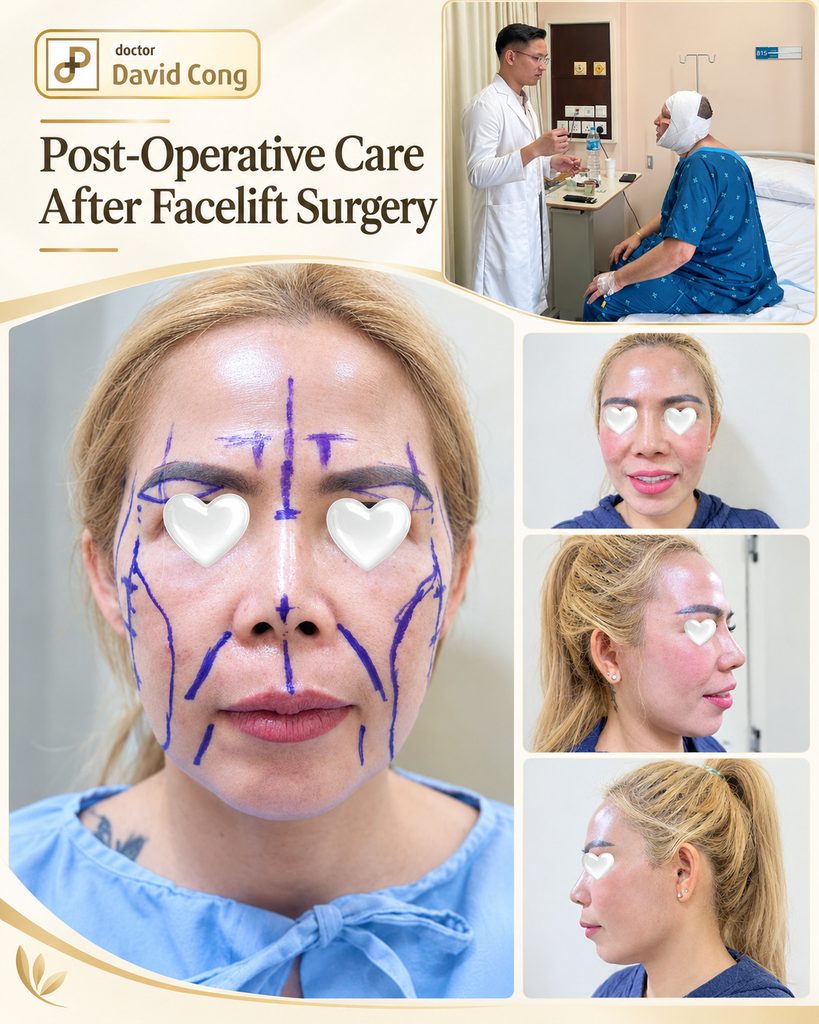
1. What Should You Pay Attention to After Facelift Surgery?
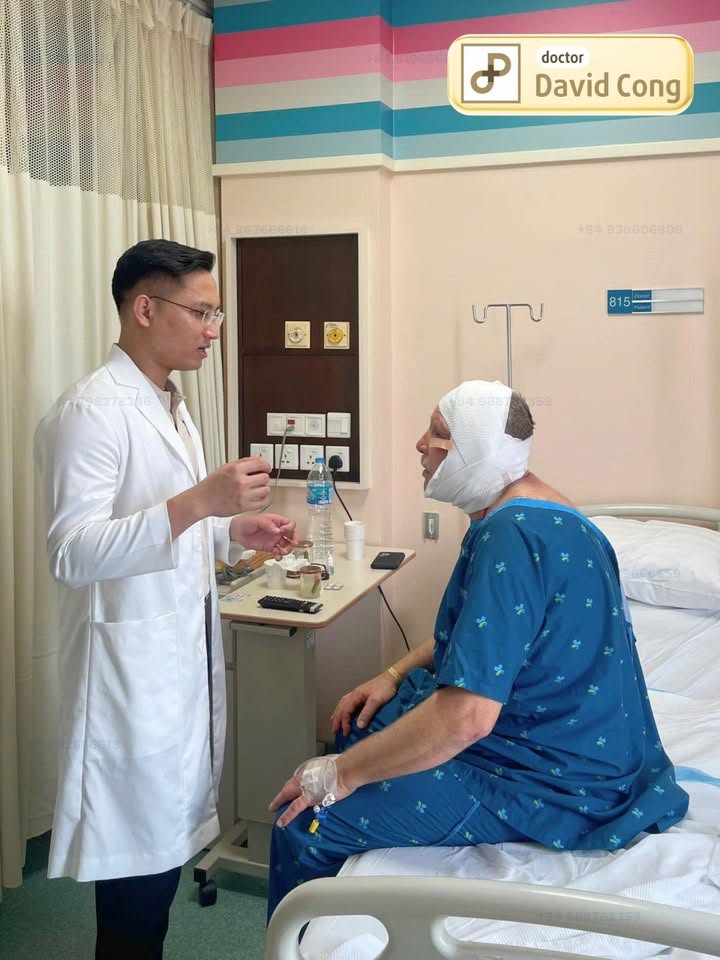
Protecting the Face and Surgical Incisions
After facelift surgery, patients should avoid impacts, friction, or pressure on the surgical area. When resting, they should lie on their back and elevate their head as instructed by the surgeon, avoiding sleeping face down or resting their face directly against a pillow. During the initial recovery period, patients should also limit bending their head down and avoid strenuous activities that may affect recovery.
Cleaning and Caring for Surgical Incisions
Surgical incisions should be kept clean and cared for according to the instructions provided by the surgeon or healthcare staff. Patients should not remove dressings, remove stitches, apply cosmetics, or use scar treatment products without the surgeon’s approval.
Taking Medication as Directed
Pain relief medication, antibiotics, and other prescribed medications should be taken according to the surgeon’s instructions. Patients should not increase doses, change medications, or take additional medications or supplements that may affect blood clotting without medical advice.
Adjusting Daily Activities During Recovery
Patients should allow themselves time to rest and avoid high-intensity exercise, heavy lifting, and activities that place increased pressure on the face during the initial recovery period. They should also avoid smoking, limit alcohol consumption, and refrain from using saunas until the surgeon confirms that these activities can be resumed.
BOOK YOUR CONSULTATION2. Common Changes During the Recovery Process
Swelling and Bruising
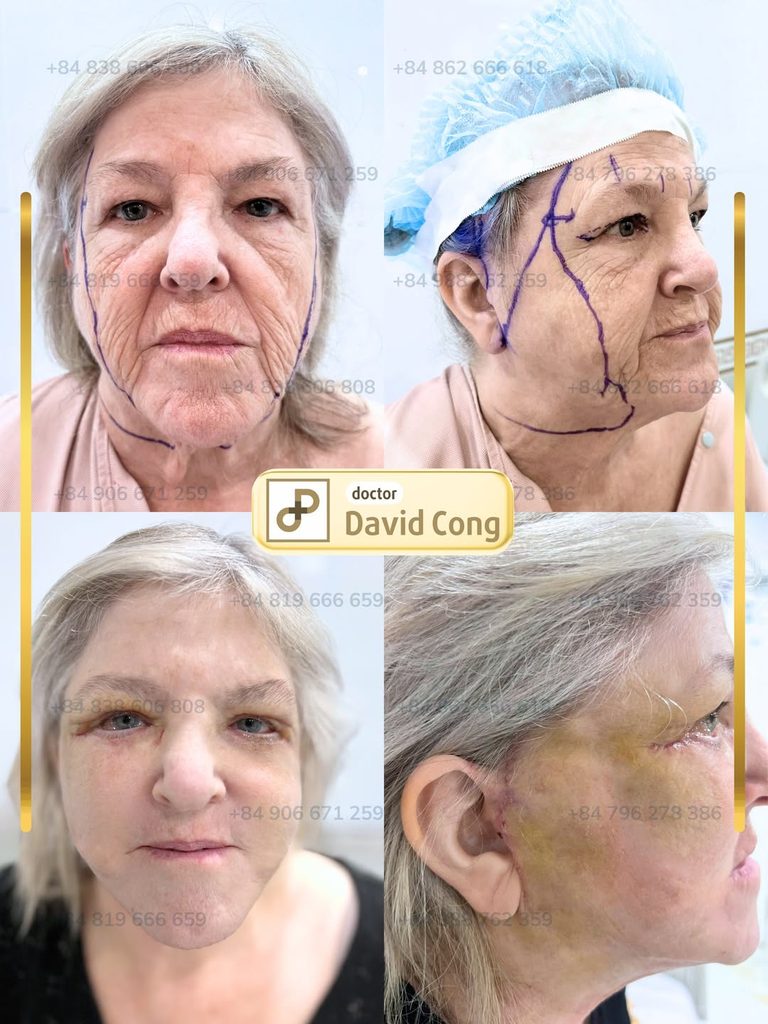
Swelling and bruising are common signs that may occur after facelift surgery. Swelling is usually more noticeable during the first few days before gradually subsiding. Bruising may appear on the face and neck, changing colour before fading. Bruising generally decreases within around 1–2 weeks, while swelling may last for several weeks or longer, depending on the individual case.
Patients may be advised by their surgeon to apply cold compresses during the initial recovery period to help reduce swelling. The timing and method of applying cold compresses should follow the surgeon’s specific instructions.
Tightness, Mild Pain or Numbness
A dull ache, skin tightness, mild itching, or reduced sensation around the surgical area may occur during recovery. The severity and duration of these symptoms vary depending on the surgical technique and each person’s individual response to surgery.
Incisions and Scarring
During the initial recovery period, incision lines may appear pink or red. Over the following months, scars generally change in appearance and gradually fade over time. The location of the incisions, skin characteristics, and aftercare can all affect wound healing and scar formation.
Patients should follow instructions for wound hygiene, protect the incision areas from sun exposure, and only use scar care products when approved by their surgeon.
BOOK YOUR CONSULTATION3. When Should You Contact Your Surgeon After Facelift Surgery?

Rapidly increasing swelling, tightness or severe pain: These symptoms may be associated with a haematoma or another condition requiring urgent assessment.
Persistent or unusual bleeding: Significant bleeding from the incision or dressings becoming heavily soaked with blood should be assessed promptly.
Signs of infection: Fever, increasing redness or warmth around the incision, worsening pain, pus, or an unusual odour.
Unusual skin discolouration: Skin that becomes dark purple or black, or develops unusual damage or peeling.
Changes in facial movement: A crooked mouth, facial muscle weakness, or difficulty moving one side of the face requires immediate medical assessment.
If serious symptoms occur, such as rapidly increasing swelling, significant bleeding, or sudden facial muscle weakness, patients should not wait until their next scheduled follow-up appointment. They should seek urgent medical attention for appropriate assessment and treatment.
BOOK YOUR CONSULTATION4. Nutrition After Facelift Surgery

Choosing Soft Foods During the First Few Days
During the first few days after surgery, patients should prioritise soft foods that are easy to chew and swallow, such as porridge, soup, eggs, or soft fish. Once discomfort decreases and the surgeon gives approval, patients can gradually return to their normal diet.
Maintaining a Balanced and Nutritious Diet
Patients should maintain a varied diet with sufficient protein from meat, fish, eggs, or other suitable food sources, together with vegetables and fruit. They should also drink enough water each day unless their doctor advises limiting fluid intake for medical reasons.
Asking Your Surgeon About Foods to Avoid
After surgery, some people avoid water spinach, beef, chicken, seafood, sticky rice dishes, or eggs because they are concerned that these foods may affect wound healing or scarring. However, there is insufficient evidence to conclude that all these foods cause poor scarring or delay wound healing in everyone.
Patients should therefore discuss a suitable diet with their surgeon based on their individual circumstances, particularly if they have a history of allergies or specific nutritional requirements.
Avoiding Habits That May Affect Recovery
During recovery, patients should avoid smoking and limit alcohol consumption. They should not take medications or dietary supplements without medical advice, as some products may affect blood clotting or wound healing.
BOOK YOUR CONSULTATION5. Post-Operative Care After Facelift Surgery with Dr David Cong
At Dr David Cong’s practice, post-operative care is tailored to each patient’s recovery progress. If patients have any questions during the recovery process, they should speak directly with their surgeon for specific guidance.
- Using supportive garments: If prescribed by the surgeon, patients should use supportive garments correctly and for the recommended period.
- Monitoring and follow-up appointments: Attend follow-up appointments as scheduled so the surgeon can assess the incisions, swelling, and recovery progress. The follow-up schedule may be adjusted according to each patient’s condition.
- Scar care: Incision locations depend on the surgical technique and each patient’s individual circumstances. Incisions are generally placed in suitable areas around the ears or along the hairline. Once the incisions have healed, patients should continue caring for their scars according to the surgeon’s instructions.
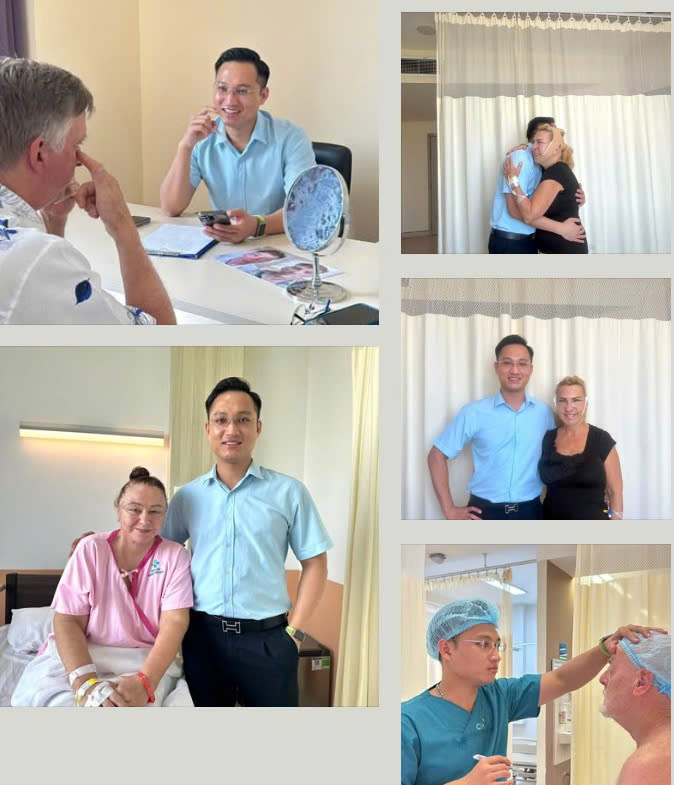
Proper post-operative care plays an important role in recovery after facelift surgery. Following the surgeon’s instructions, attending scheduled follow-up appointments, and monitoring changes in the body help patients take a more active role in their post-operative care.
Dr David Cong is one of the leading choices for international patients seeking facelift surgery in Vietnam. If you are planning to undergo facelift surgery, contact Dr David Cong for a free consultation about suitable surgical options and post-operative care based on your individual needs.
BOOK YOUR CONSULTATIONTo learn more about the Deep Plane Facelift procedure and facial rejuvenation with Dr. David Cong, read our detailed guide to : https://drcongphan.vn/deep-plane-facelift-advanced-facial-rejuvenation-with-dr-david-cong/